Liberal and democrat subnational leaders joined forces with local and regional leaders from across Europe in Brussels last week, during the European Committee of the Regions (CoR) plenary session and EU Regions Week, to protest against the European Commission’s proposal for the 2028–2034 Multiannual Financial Framework (MFF), warning that it risks disconnecting citizens from the European Union by side-lining cities and regions from EU funding decisions.
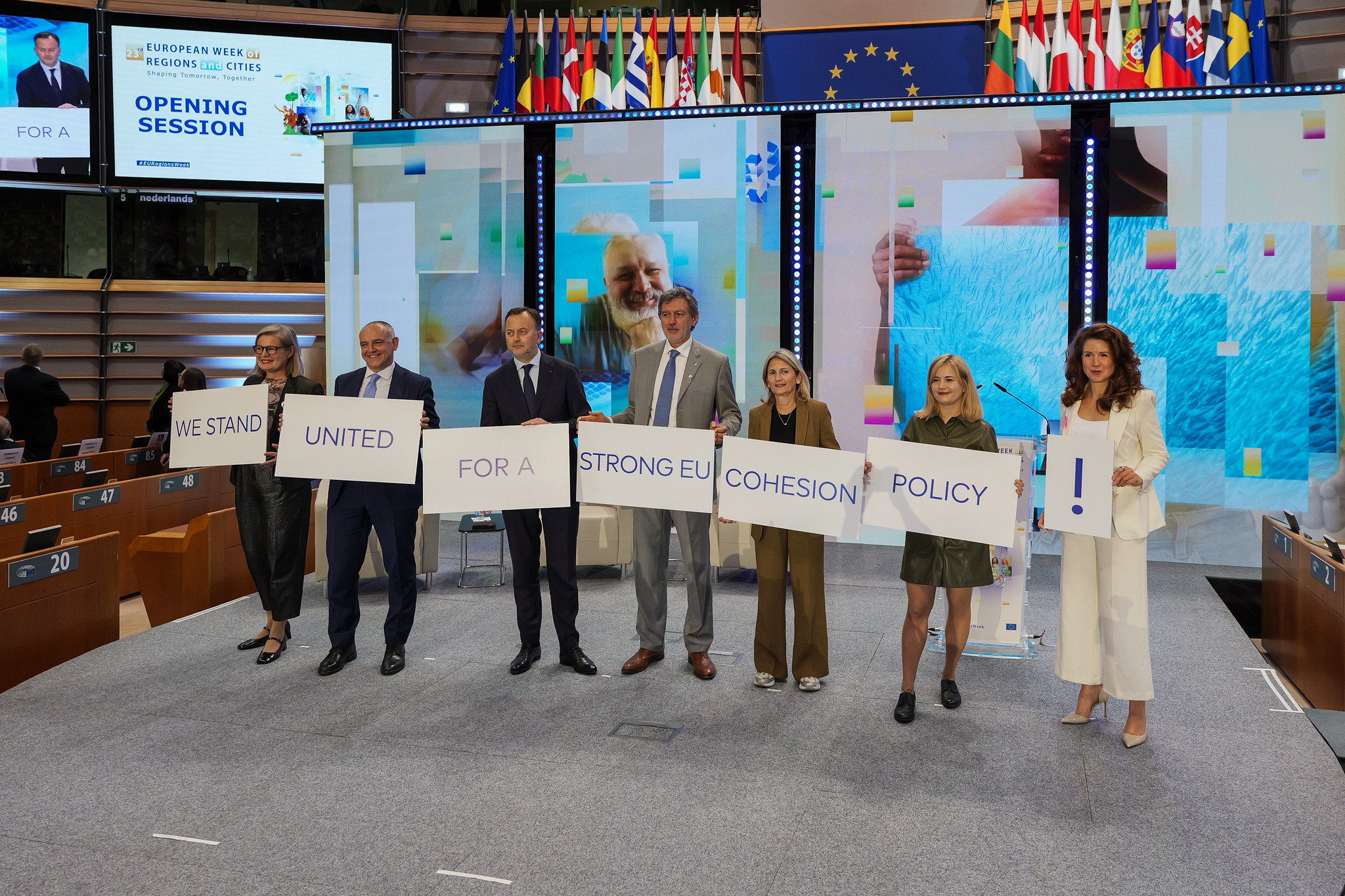
The proposed reform of the EU budget, unveiled by President Ursula von der Leyen earlier this year, would remove the obligation for national governments to work in partnership with local and regional authorities when investing EU funds – a move that our subnational leaders say undermines the very foundations of European democracy and cohesion policy. Several representatives of our political family were in Brussels last week joining forces with other political leaders from across Europe to protest against these efforts by President von der Leyen to disconnect local communities from European funding. In her proposal for the 2028–234 MFF, the obligation of national governments to invest EU funds in local communities in partnership with municipalities and regions has been removed, together with the guarantee that the European Commission will verify that such a partnership has happened. This is dangerous for the European Union. While a reasonable national government will continue to invest funds in partnership with regions and municipalities, an extremist or unstable one might not. That’s why our Group is calling on the European Parliament and the Council to reject the EU budget proposal. As our Group President, French Mayor of Saint-Omer, Francois Decoster said in the Opening Session of EU Regions Week, the biggest EU event on cohesion policy: no to the nationalisation of EU funds!
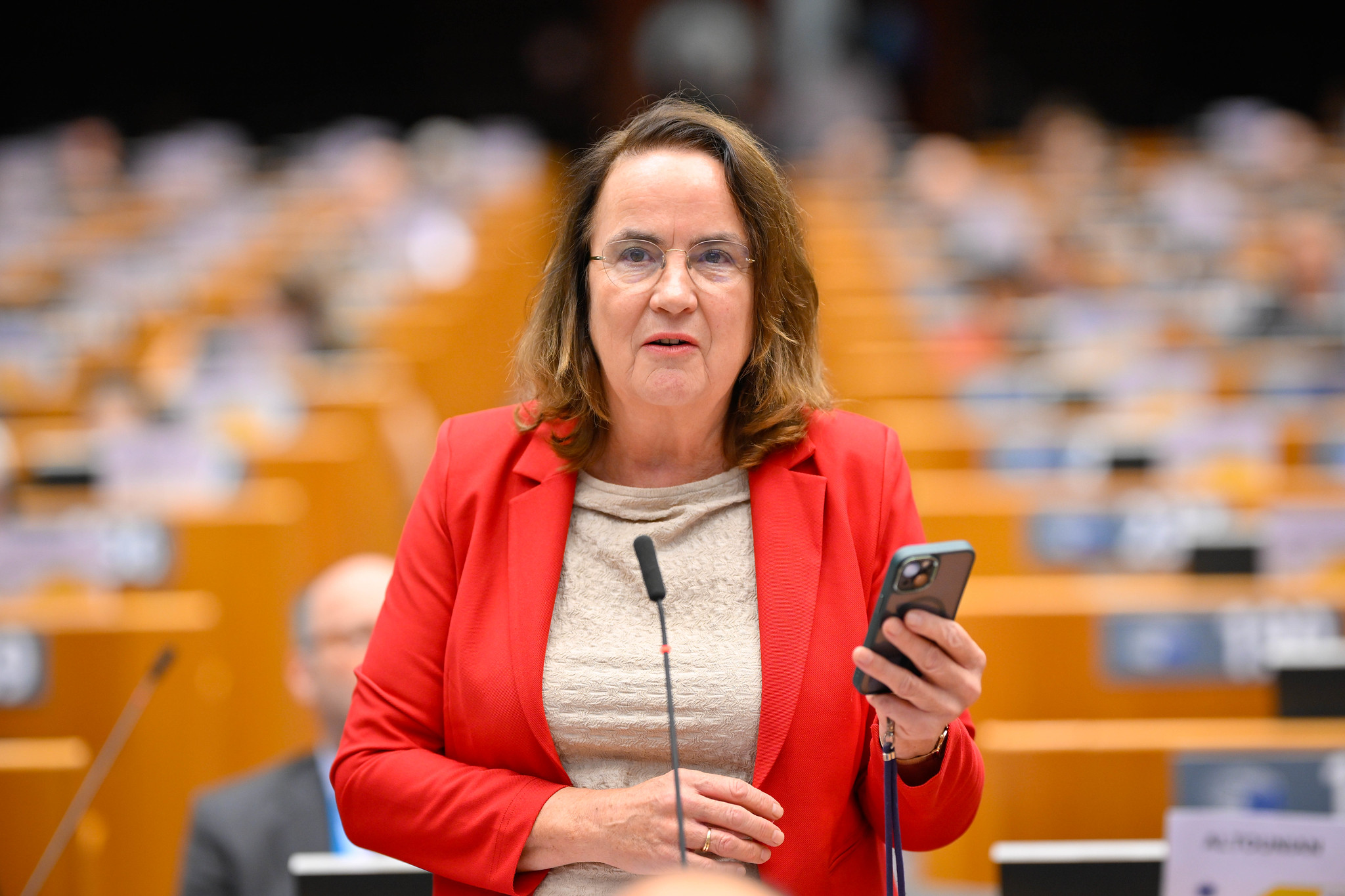
The message echoed across the Committee of the Regions’ plenary session last week, where members adopted a strong resolution urging the EU institutions to revise the MFF proposal. The resolution defends the Partnership Principle and multilevel governance as cornerstones of European democracy, rejecting any attempt to renationalise cohesion policy. Dutch Mayor of Purmerend, Ellen van Selm, who is also the Renew Europe COR Coordinator for cohesion policy, welcomed the unity behind the resolution.
“The involvement of local and regional authorities in the new EU budget should not be a political issue at all. We are the ones who truly know local needs – what’s required to make Europe safer, greener and more competitive. This resolution gives us a mandate to defend that partnership both in Brussels and in our national capitals.” – Ellen van Selm, Mayor of Purmerend and Renew Europe COR COTER Coordinator
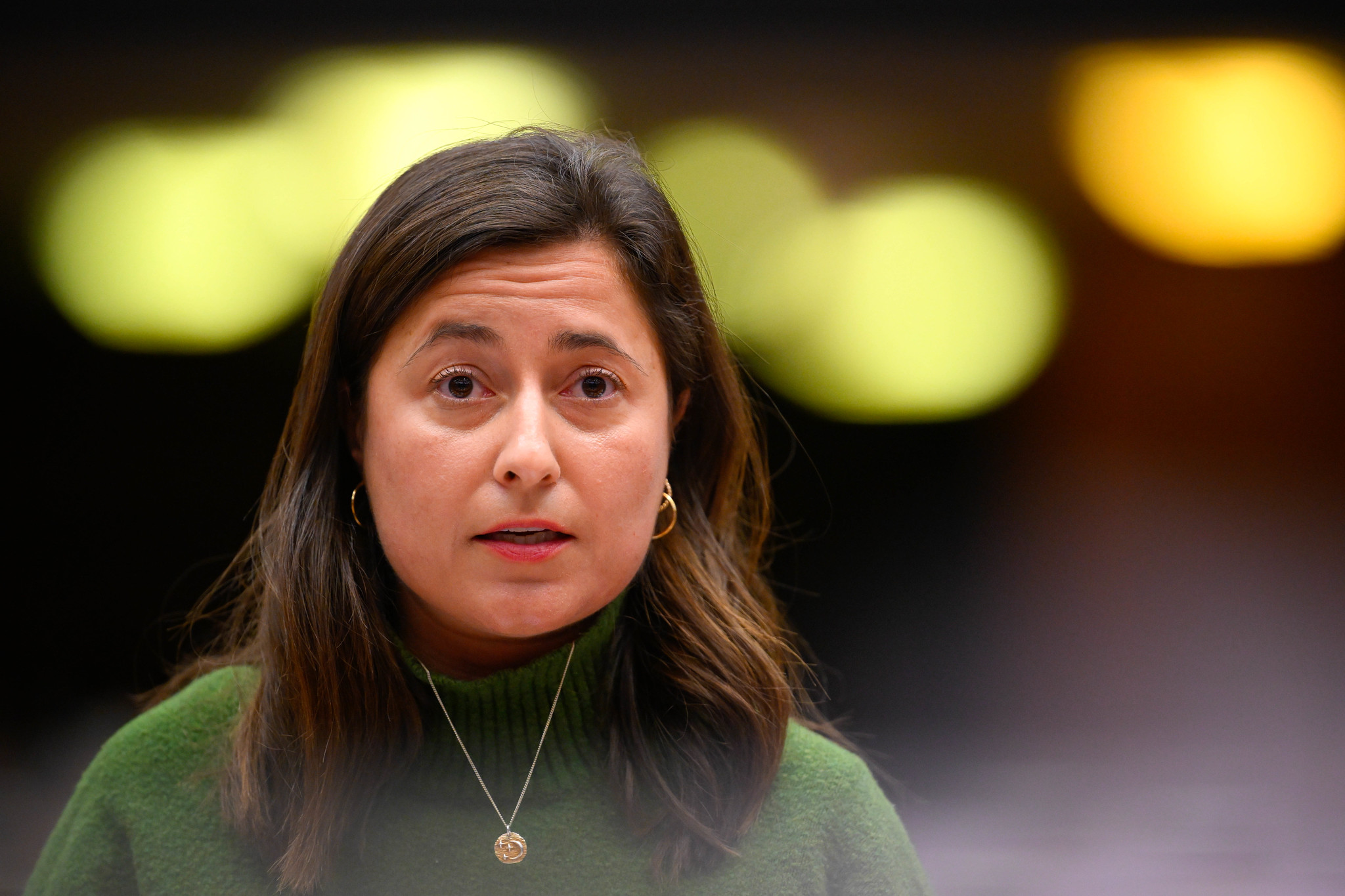
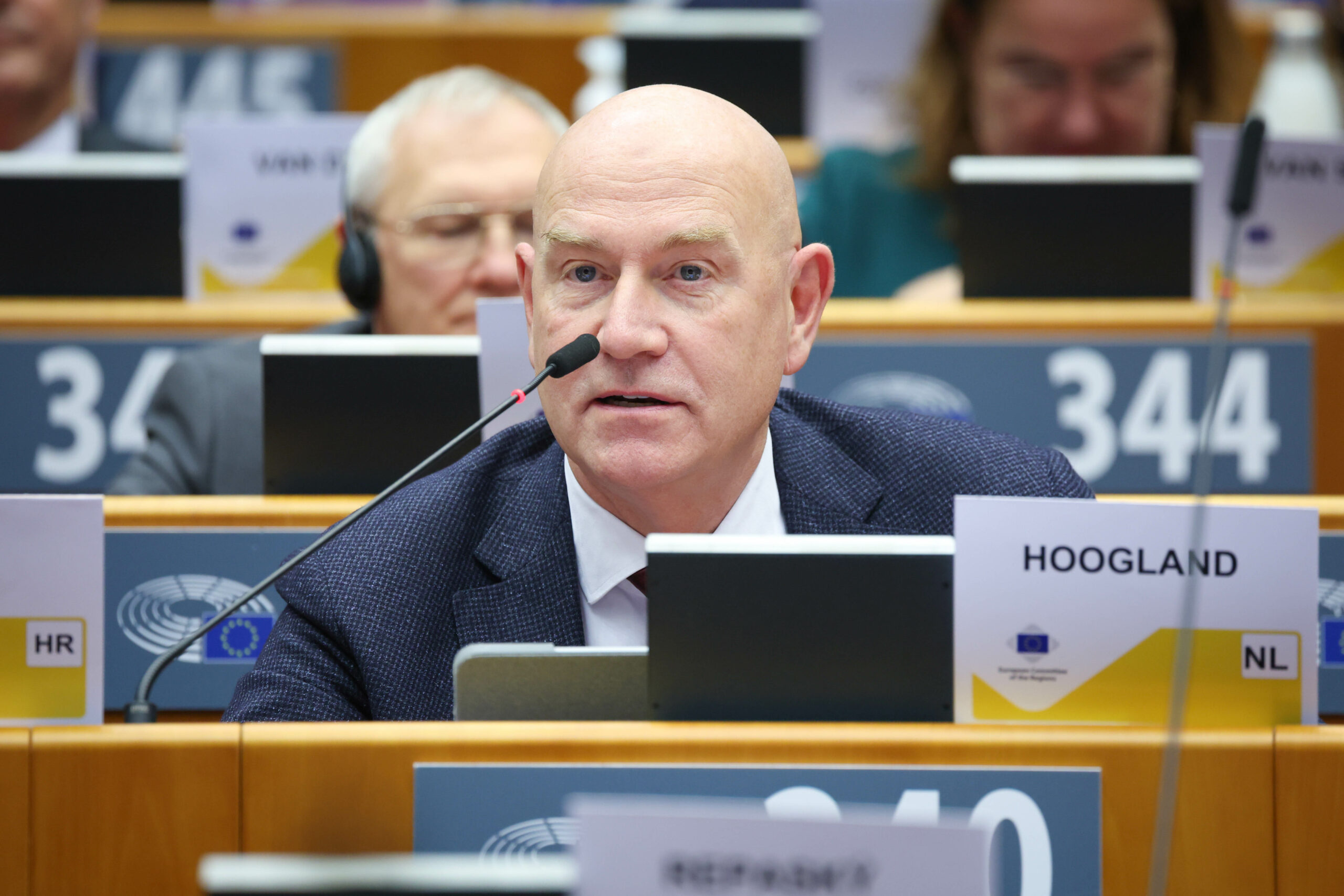
Erwin Hoogland, Regional Minister of the Dutch Province of Overijssel agreed that this should not even be a technical discussion, as cohesion policy is a pillar of European democracy. The partnership principle should not remain a value we merely defend, but must evolve into a real mechanism ensuring regional involvement in the design of national and regional plans. The involvement of regions should not be optional – it should be a condition, he concluded. Renew Europe Vice-President Willy Borsus emphasized the strategic importance of cohesion policy as an investment tool, whereas French Deputy Mayor of Nice, Magali Altounian, warned that the Commission’s approach could erode trust in European democracy. A centralised management of funds weakens citizens’ trust and undermines representative democracy. The weight of our territories and their direct involvement must be respected, she highlighted.
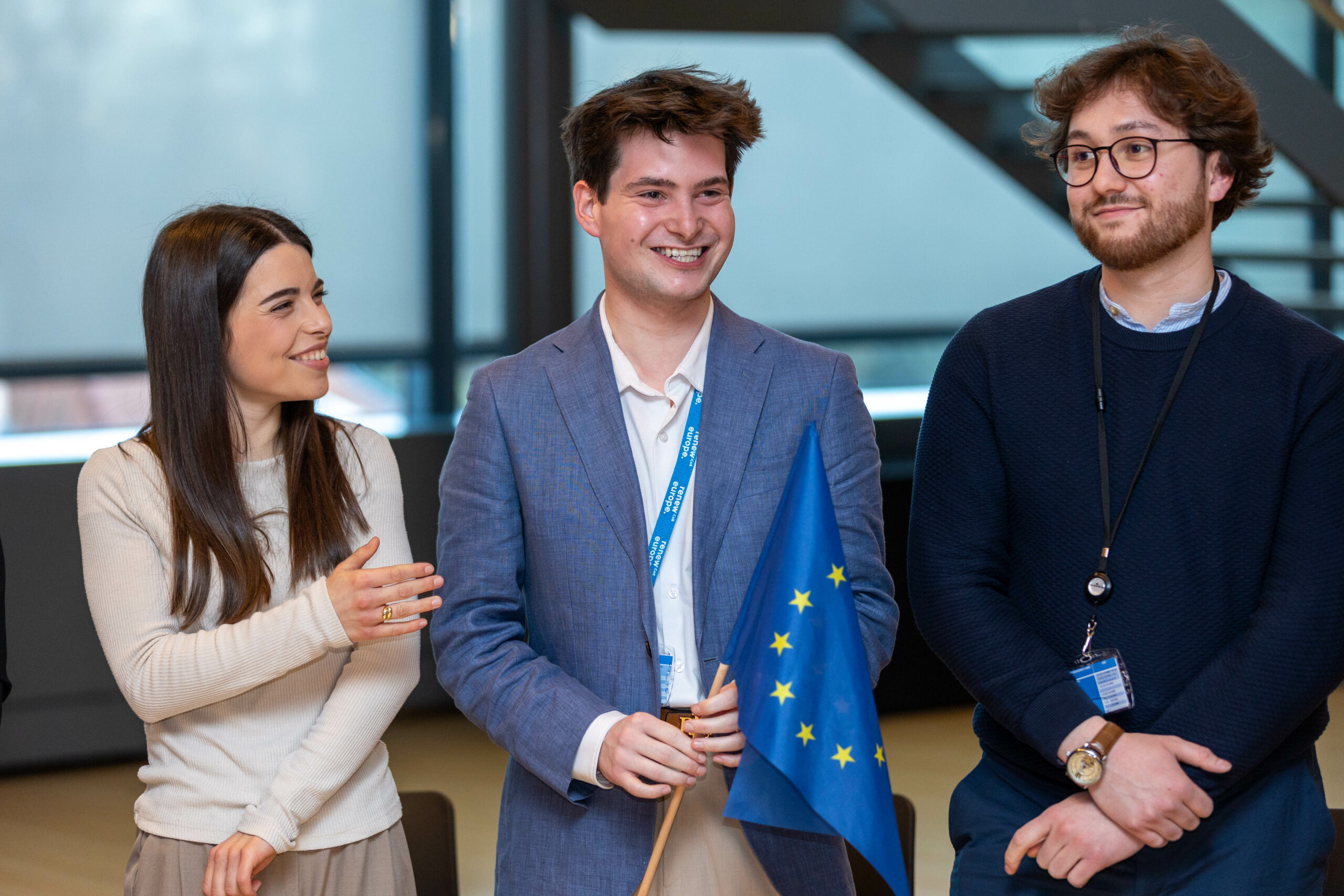
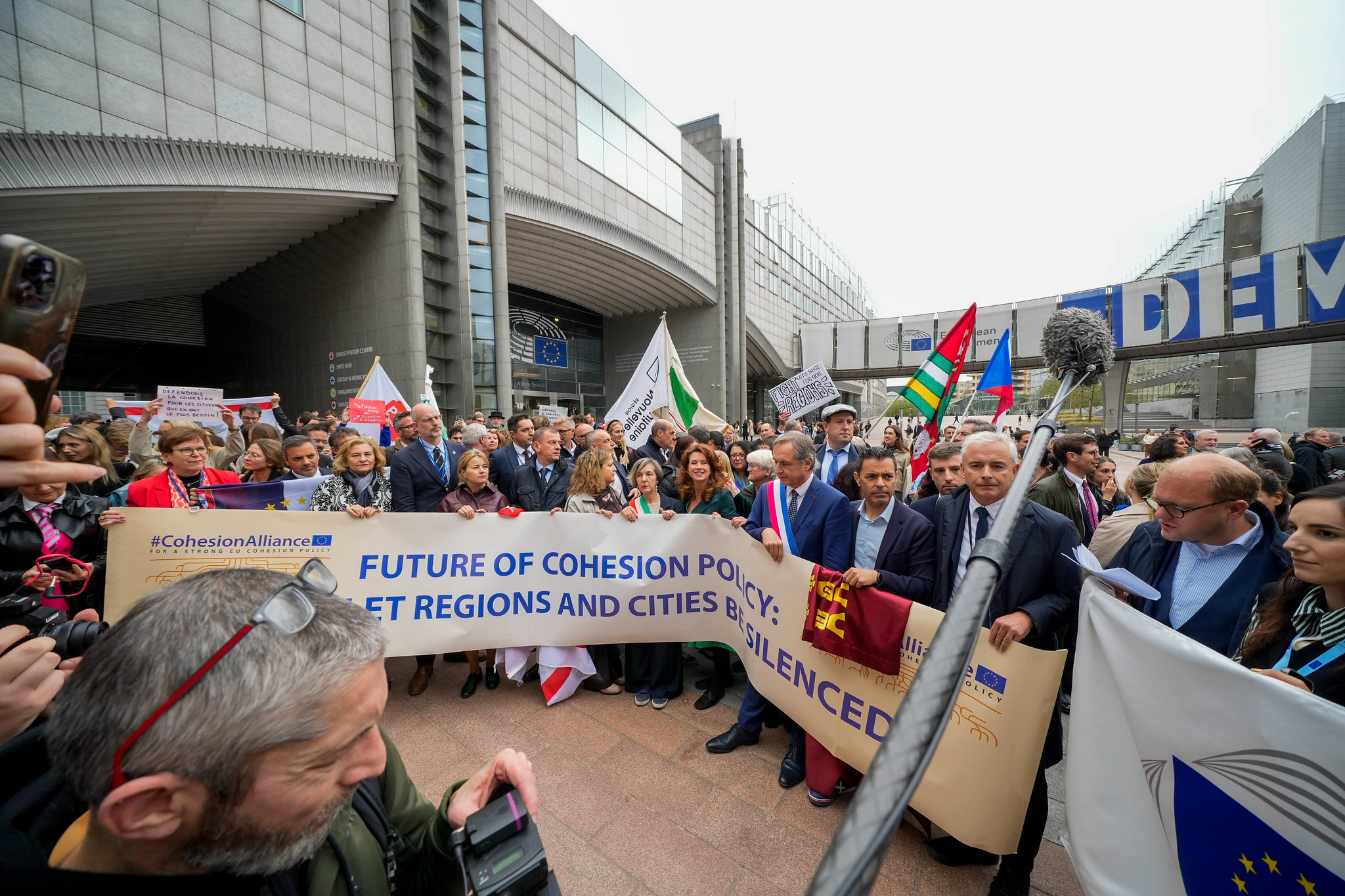
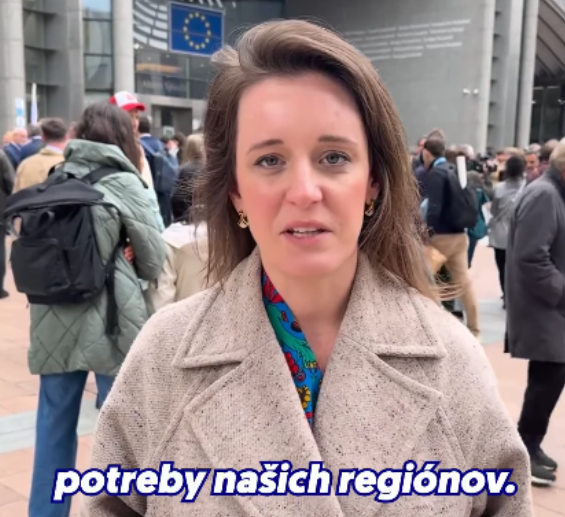
In the same week, regional and local politicians, supported by MEPs as well as representatives of NGOs and think-tanks, gathered outside the European Parliament in Brussels to voice their opposition to the proposed EU budget. The demonstration underscored growing frustration not only among subnational leaders who fear being cut out of Europe’s future investment decisions, but also the wider political sphere, who perceives it as undemocratic. Our CoR members, Young Elected Politicians and EU councillors stood alongside their peers from all 27 Member States, united in one clear demand: do not let cities and regions be silenced!
Our Group will continue to call for a European budget that empowers regions and cities, upholds subsidiarity, and strengthens citizens’ connection to the Union. Earlier this year, we have circulated a letter from our Group President François Decoster to all Renew Europe MEPs, calling on them to reject any attempt to centralise EU funding management, restore the enforceable partnership with cities and regions, and preserve cohesion policy as a strategic investment tool rather than a transfer mechanism. We urge MEPs to champion a territorial dimension for the green and digital transition, maintain the direct role of subnational authorities in designing and delivering EU investments, and ensure that “just transition” remains a binding principle in all regions. As the CoR resolution makes clear, Europe functions best when it works with its regions — not over their heads.