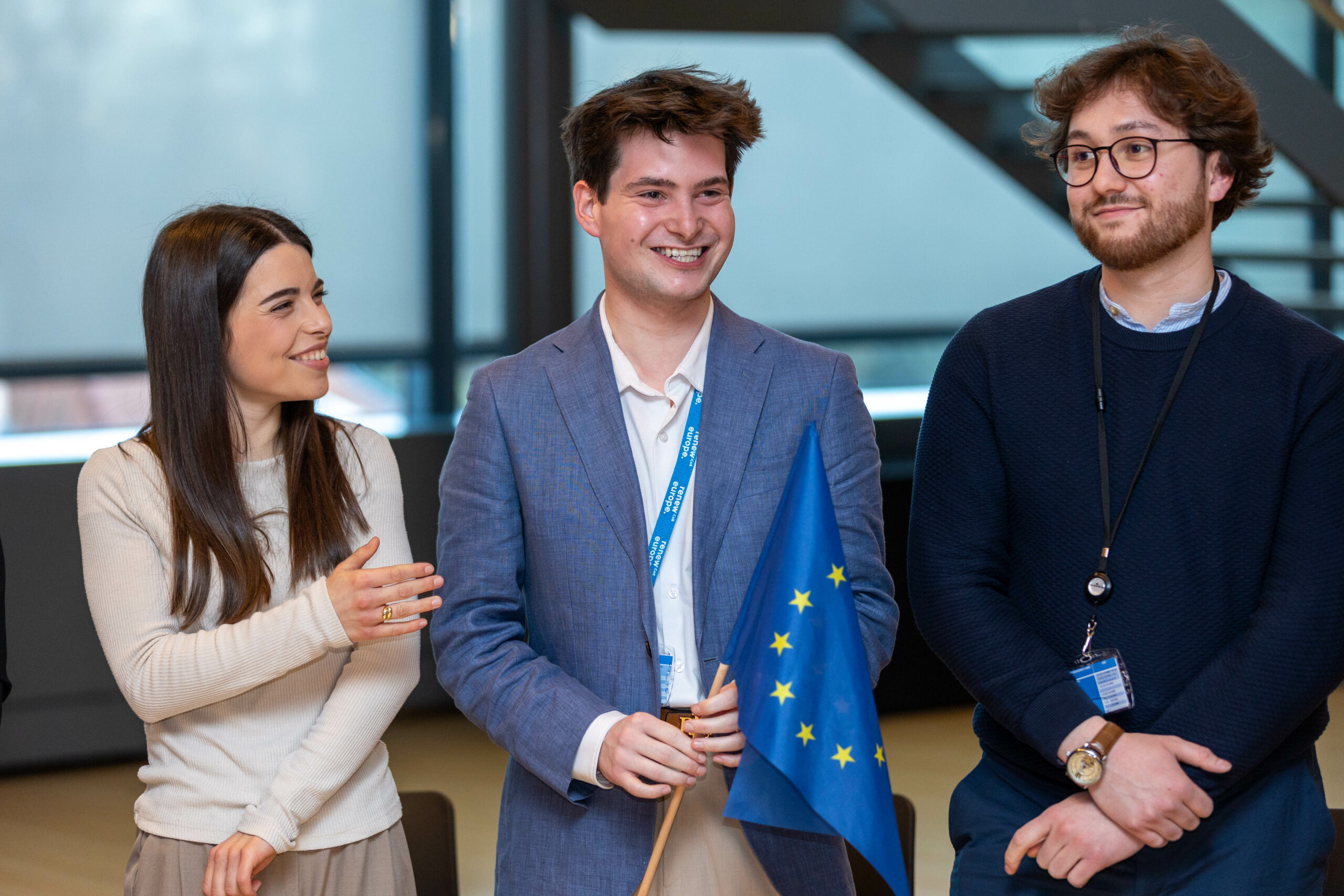
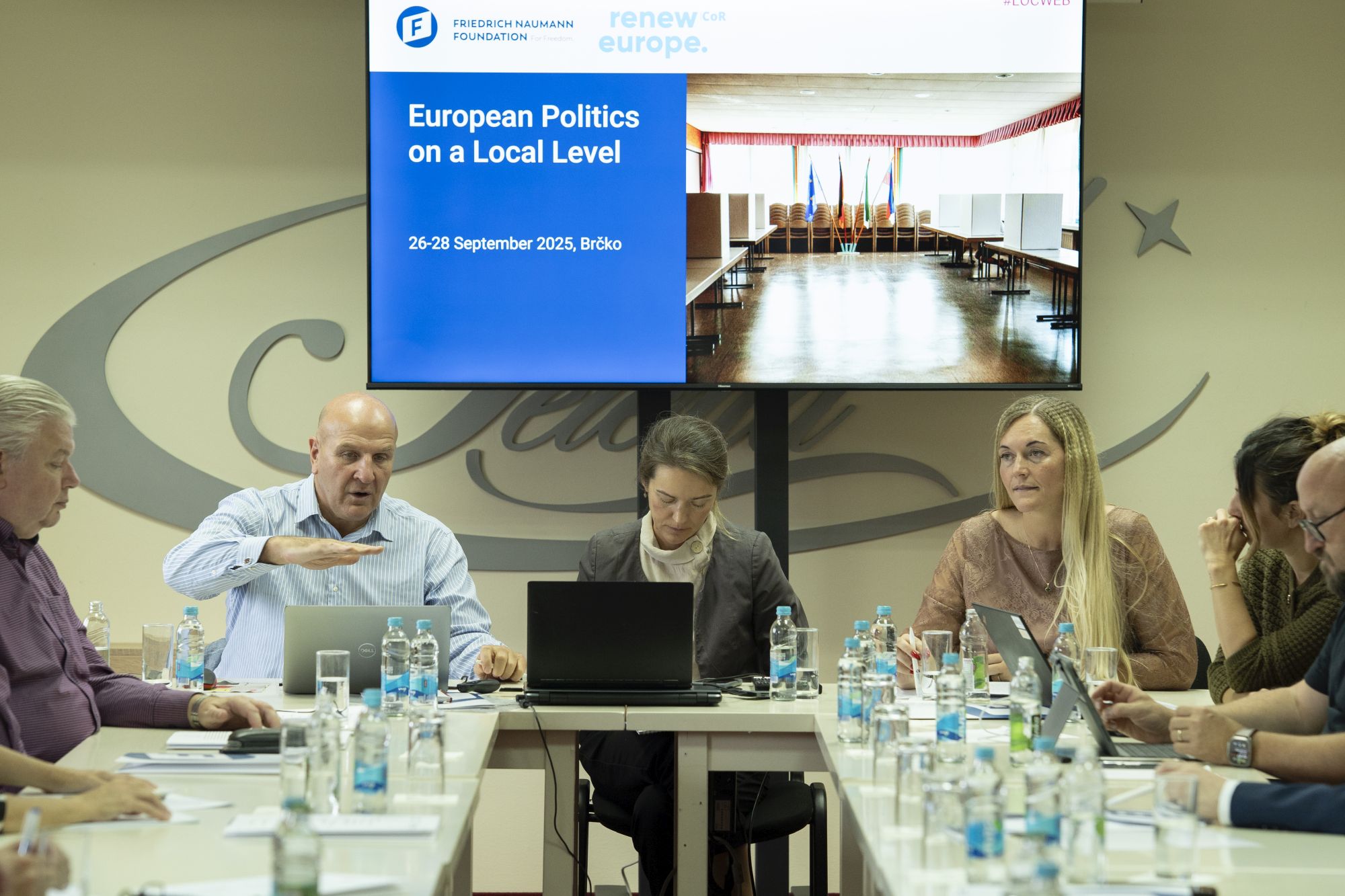
In the heart of the Western Balkans, liberal local leaders gathered for two days in Brčko District to turn European ideals into action. The final meeting of the Local Politicians Network of the Western Balkans (LOCWEB) – a project by the Friedrich Naumann Foundation for Freedom in partnership with the Renew Europe Group in the European Committee of the Regions (CoR) – brought together local councillors from Croatia, Bosnia and Herzegovina, and Serbia to refine concrete, EU-aligned policy proposals on youth housing and e-government.
The third meeting of the Local Politicians Network of the Western Balkans (LOCWEB) marked the culmination of a three-year collaboration between FNF Western Balkans and our Group, that began in Zlatibor (2023) and continued in Banja Luka (2024). Over this period, the network established thematic working groups on housing, digital governance, and liberal public administration – demonstrating that local leadership can bridge borders and build European trust even beyond the EU’s formal structures.
“Enlargement remains the EU’s most powerful tool to secure peace, prosperity, and democracy,” said Karina Mikelsone, Mayor of Adazi, Latvia and First Vice-President of our Group, in her opening address. “Local leaders are the ones who can rebuild trust and show citizens that Europe is not a distant idea, but a reality that improves daily life.” Her remarks echoed a core aim of the project: to counter enlargement fatigue by empowering local liberal voices to deliver visible, practical change. Mikelsone stressed that more than 70% of EU laws are implemented at local and regional levels—making cities and municipalities the “reality check of Europe.”
Joining her was Andres Jaadla, who authored the CoR report on Smart, Sustainable and Affordable Housing. He shared his experience from Rakvere, Estonia and discussed the EU’s broader housing agenda. He underlined that housing is a right, not a privilege, and called for stronger EU support for local governments to deliver affordable homes, especially for young people. “Whether in Tallinn, Zagreb, Brcko or Belgrade, the trend is the same—housing is too expensive, and young people are the first to feel the consequences,” Jaadla said. “But real change starts locally—with your projects, your leadership, your voice.”
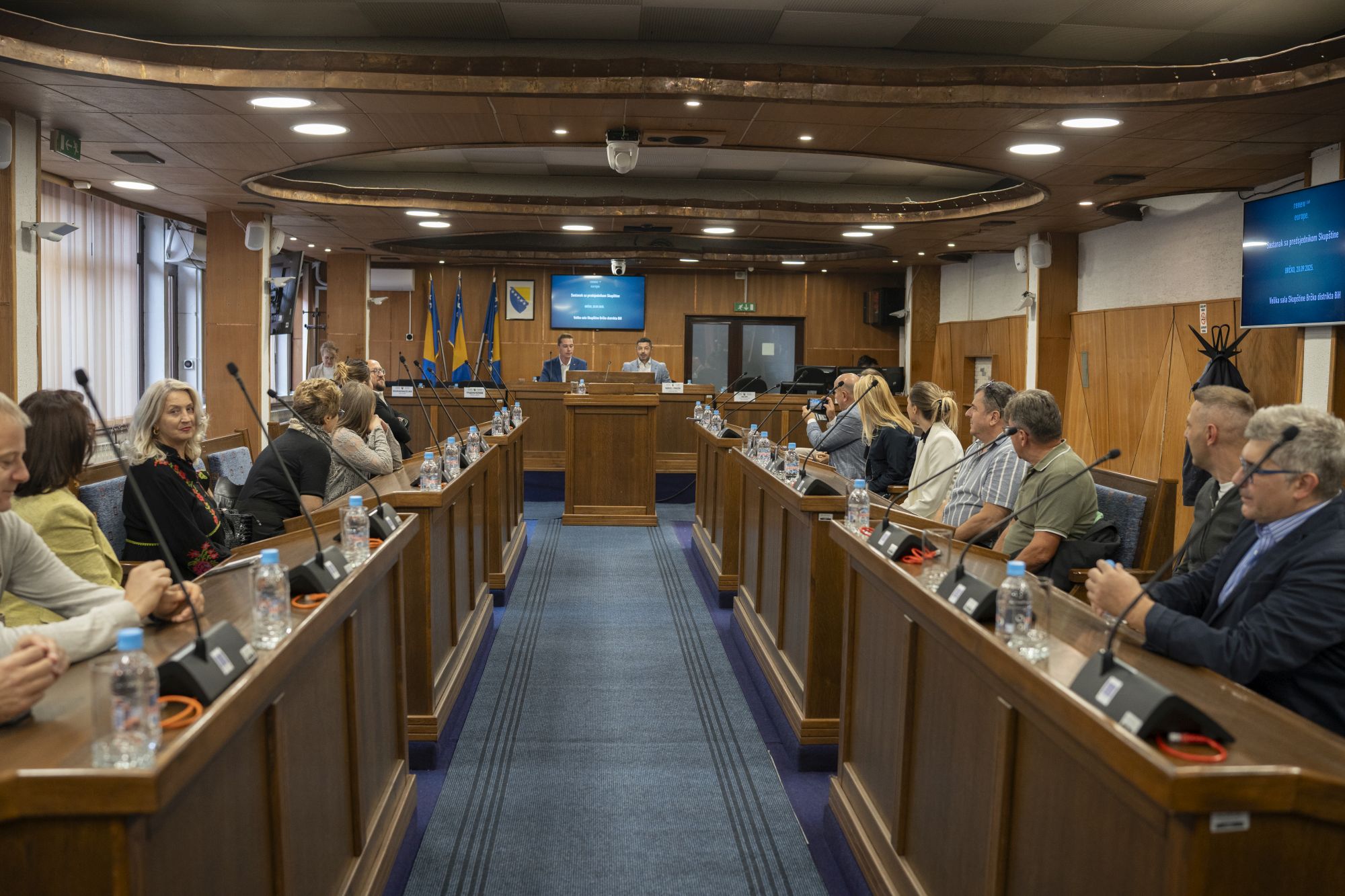
During the event, participants worked on policy proposals that are ready for implementation and met with local leaders from the liberal party Nasa Stranka, followed by a visit to the District of Brčko Assembly, where they were welcomed by Mr. Damir Bulčević, the Speaker of the Brčko District Assembly. The choice of Brčko District as the venue carried symbolic weight. As a self-governing territory bridging Bosnia and Herzegovina’s two entities, Brčko represents a living example of local democracy, coexistence, and pragmatic governance. The collaboration between the local hosts, FNF and our Group thus offered a timely reminder that Western Balkan communities are not just observers of the European debate – they are contributors shaping it from the ground up.
Our Group’s involvement in this project dates back to 2023, when we began connecting liberal local politicians from Bosnia and Herzegovina, Serbia, and Croatia beyond the formal structures of existing Working Groups and Joint Consultative Committees of the Committee of the Regions. This step followed a call from Renew Europe CoR President François Decoster and Former Mayor of Trbovlje, Slovenia Jasna Gabric, then Chair of the Joint Consultative Committee with North Macedonia, to make cooperation with local and regional authorities from non-EU countries more practical, project-based, and impactful. The LOCWEB network grew directly out of that vision – to bring Europe closer to its neighbours through local-level partnerships and liberal solutions that work in practice. As the project cycle concludes, the message from Brčko is clear: the path to a stronger, more connected Europe begins in towns and cities, where liberal leaders are already delivering the Europe citizens want to live in.
For more information on our Group’s involvement in the project, click here.
For more information on our Group’s work in the Western Balkans, click here.