Europe’s internal security cannot be shaped from Brussels alone. Local and regional authorities across the EU are indispensable partners in Europe’s fight against organised crime, terrorism and hybrid threats. It is mayors, regional presidents and local councillors that are often the first to detect new criminal patterns — from drug trafficking routes to radicalisation networks and cross-border organised crime. Bringing this information to the European level is essential to understand how criminal networks operate across borders and to respond effectively. As such, local and regional authorities need to be fully and formally integrated into the ProtectEU strategy’s governance and operations.
By enhancing coordination and information exchange among EU agencies, national governments and local actors, we can improve the joint European efforts in counter-terrorism, cybersecurity, and border management. Subnational authorities are also key players in strengthening the resilience of critical local infrastructure such as ports, digital networks and public services. But in order for local and regional leaders to effectively contribute to Europe’s internal security through such measures, they must receive targeted EU support. Thus, it is essential to streamline equitable access for local authorities to EU security funding, analytic tools, and training.
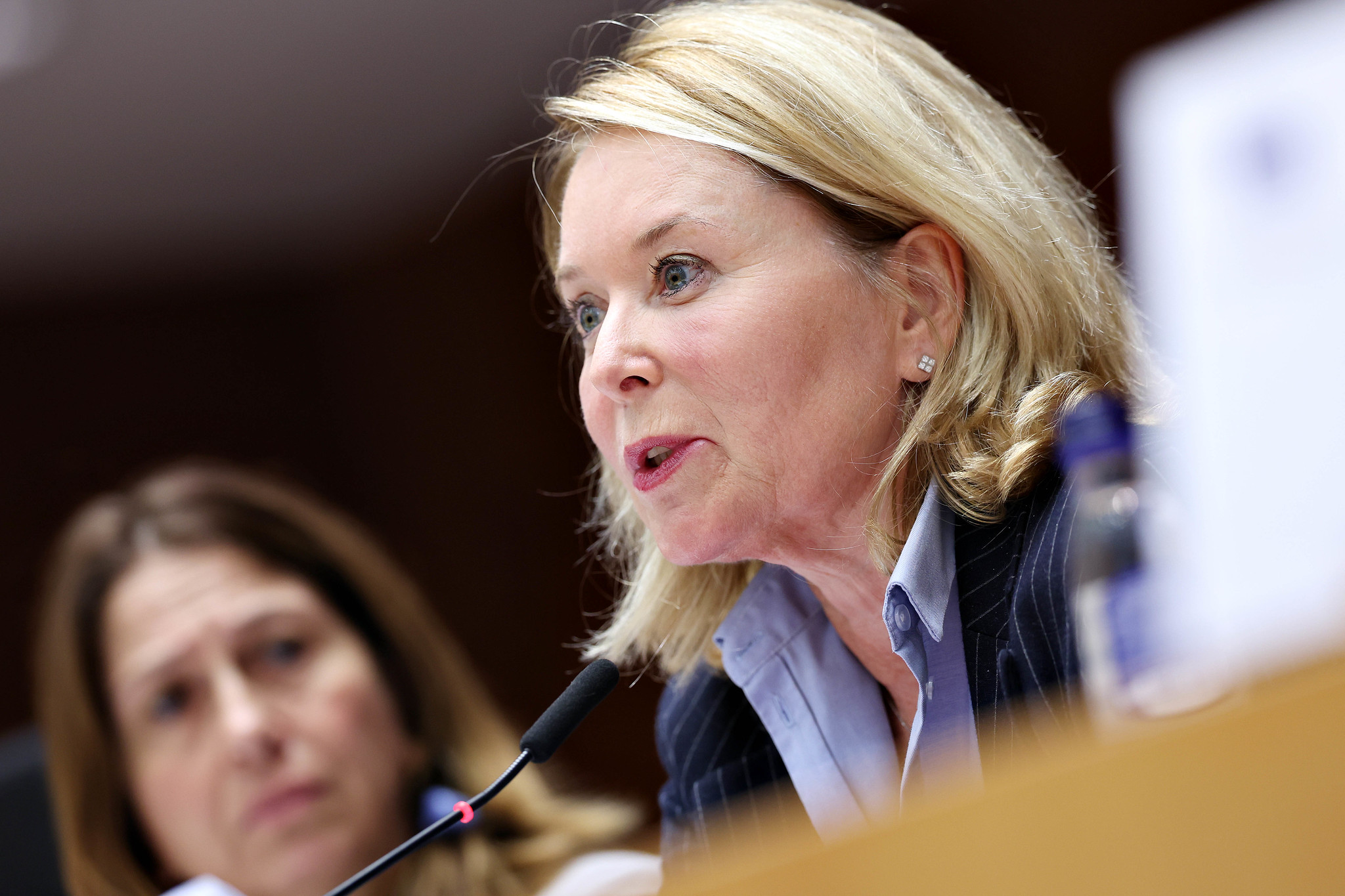
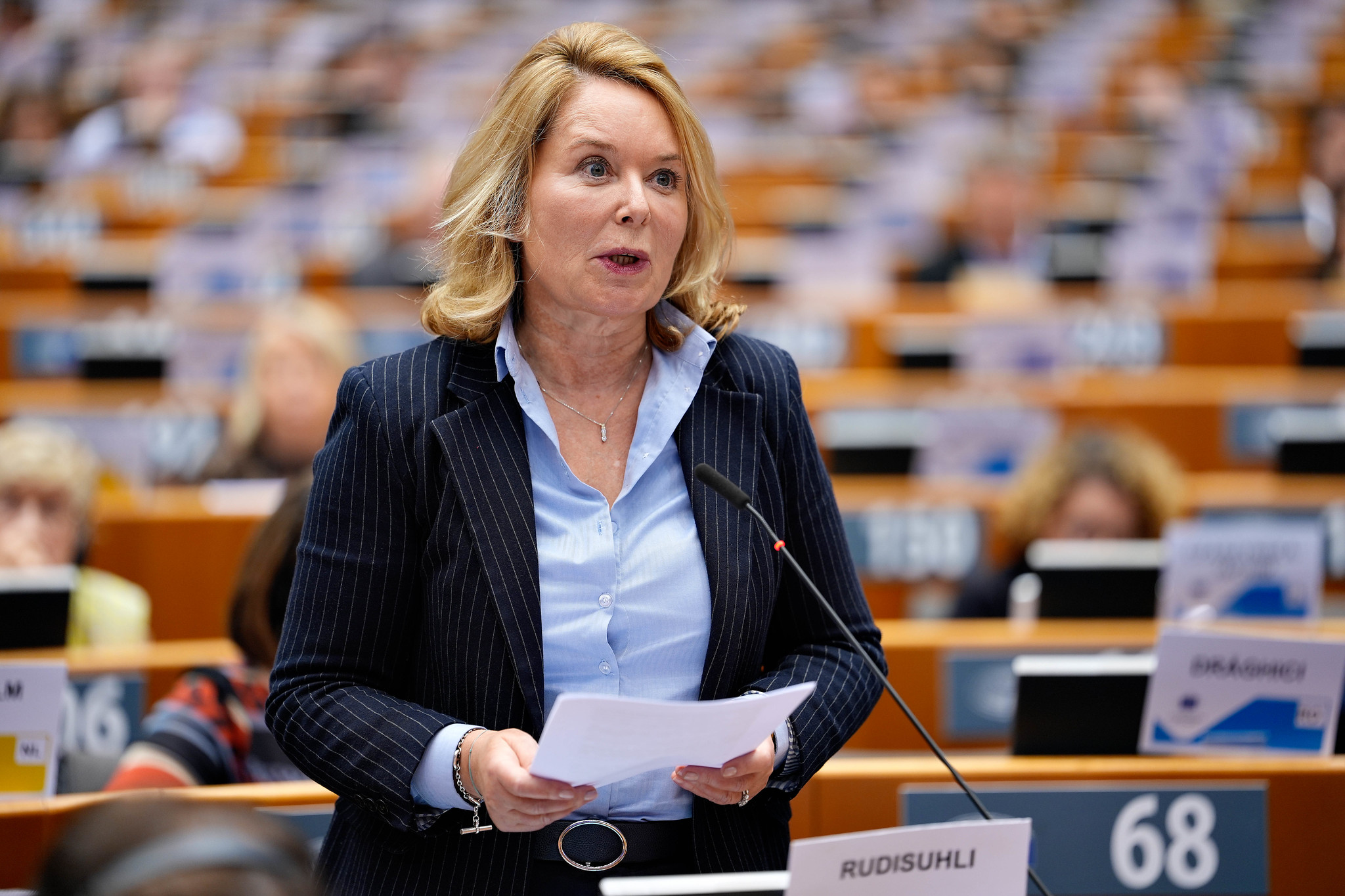
This was the message of Anne Rudisuhli, regional leader from Bouches-du-Rhône, France, who authored the report on the local and regional perspective in implementing the European Internal Security Strategy (ProtectEU), that was adopted at the plenary session of the European Committee of the Regions (CoR) held on 10-11 December 2025 in Brussels, Belgium.
The adoption of Anne Rudisuhli’s report took place against the backdrop of a timely debate on democracy and the rule of law, held with Renew Europe European Commissioner for Democracy, Justice and the Rule of Law Michael McGrath. It further reinforced her message on the EU’s internal security: defending democracy requires action at local level. Representing our Group, Rudisuhli did not shy away from confronting the reality faced by many European cities. She highlighted recent incidents linked to organised crime and political radicalisation, warning that mafia-style violence and intimidation directly attack the foundations of our democracies. Referring to a brutal crime linked to drug trafficking in Marseille, she stressed how violence silences citizens, journalists and those who dare to speak out. These developments, she warned, must not be allowed to erode democratic values.
“Security is not only about policing — it is about protecting our democratic space, our journalists, and the freedom of our citizens to live without fear.” – Anne Rudisuhli, CoR Rapporteur on the EU’s internal security from Bouches-du-Rhône, France
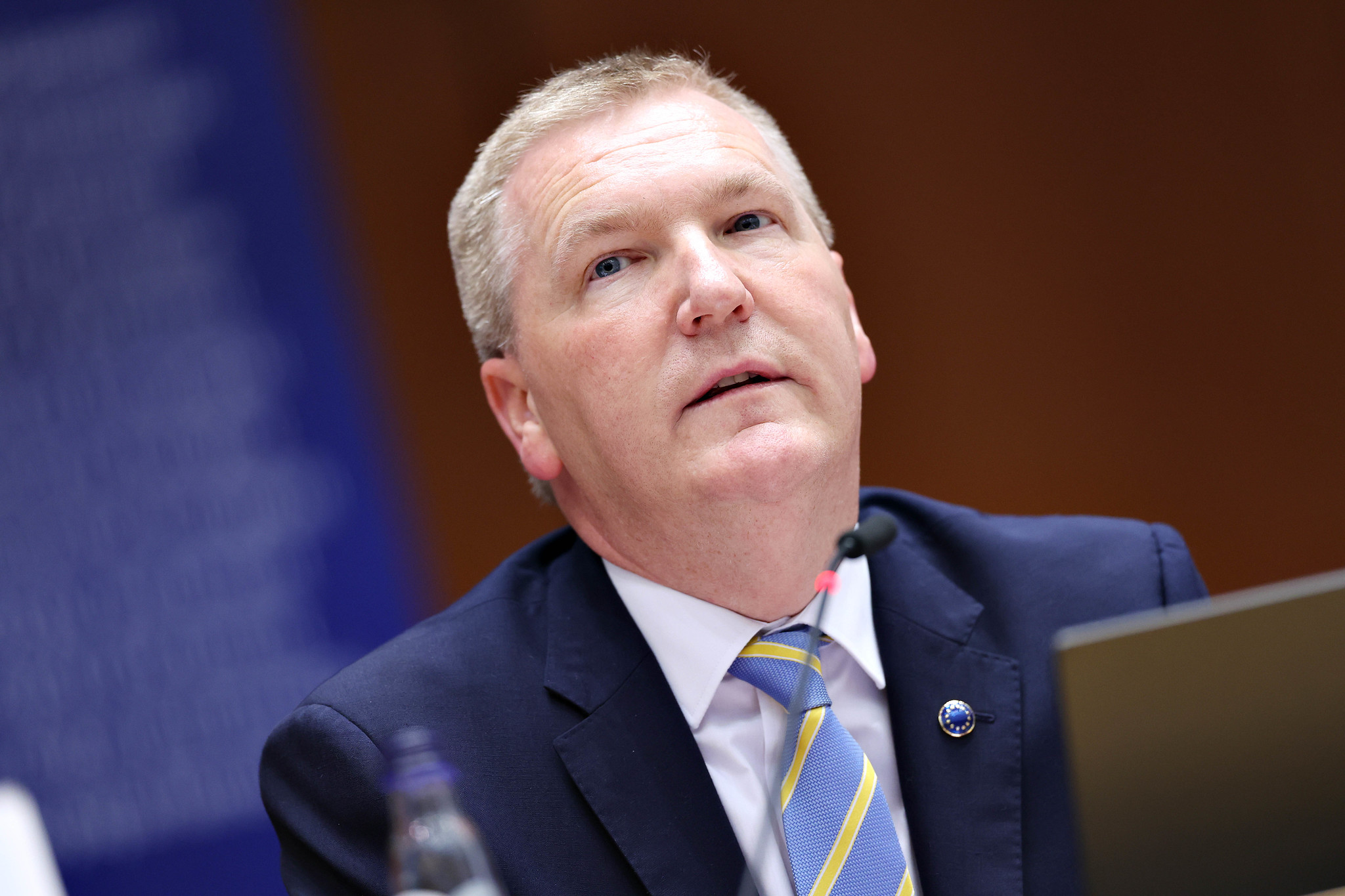
The final plenary session of the year at the European Committee of the Regions (CoR) marked an important moment for Europe’s cities and regions, as members debated some of the most pressing challenges facing the European Union today: security of our borders, democracy and the rule of law as well as the future EU budget proposal (the MFF). For our Group, the plenary delivered a clear political message — Europe’s future depends on strong cooperation with local and regional authorities, who know the reality on the ground best.