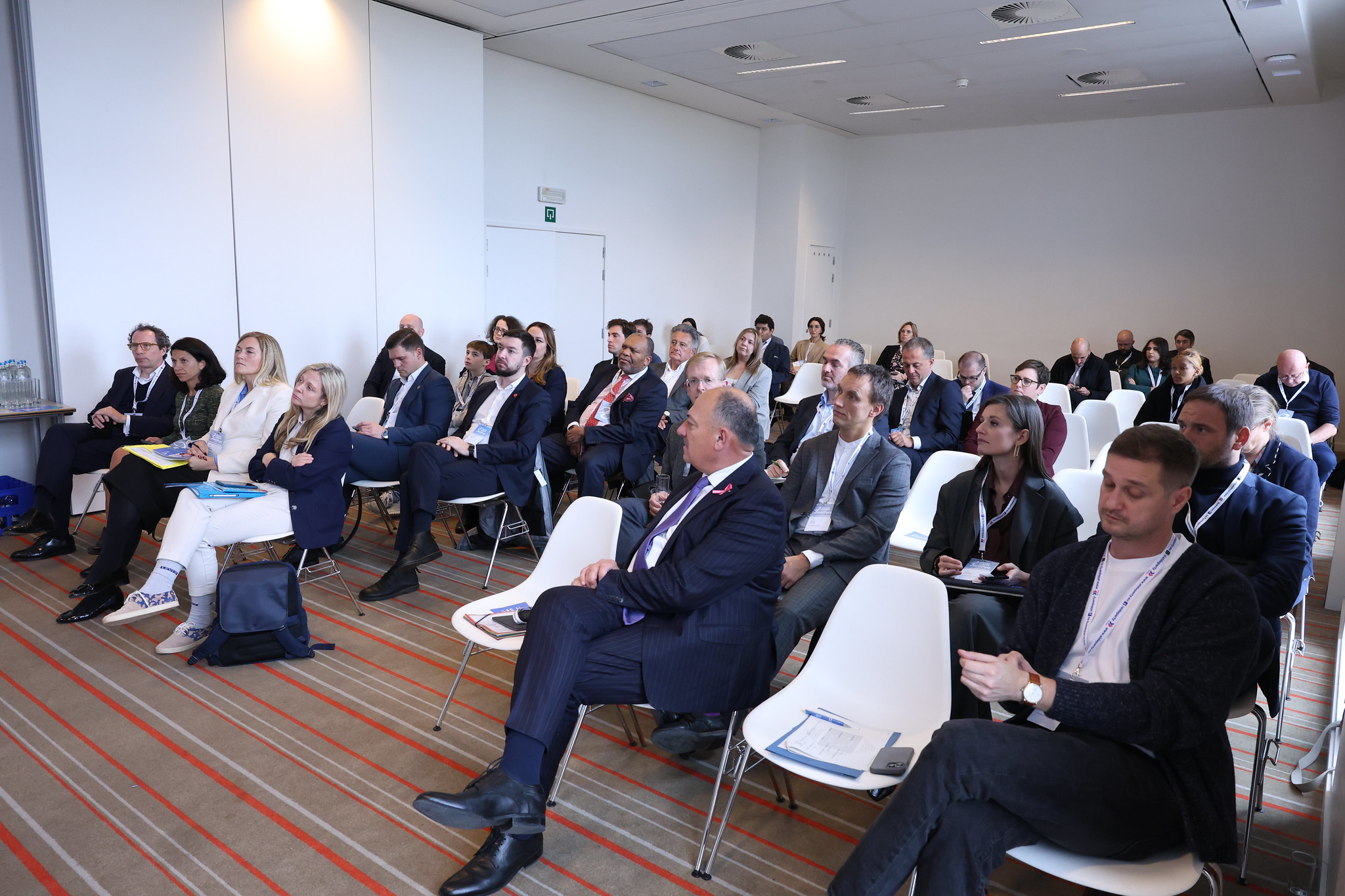
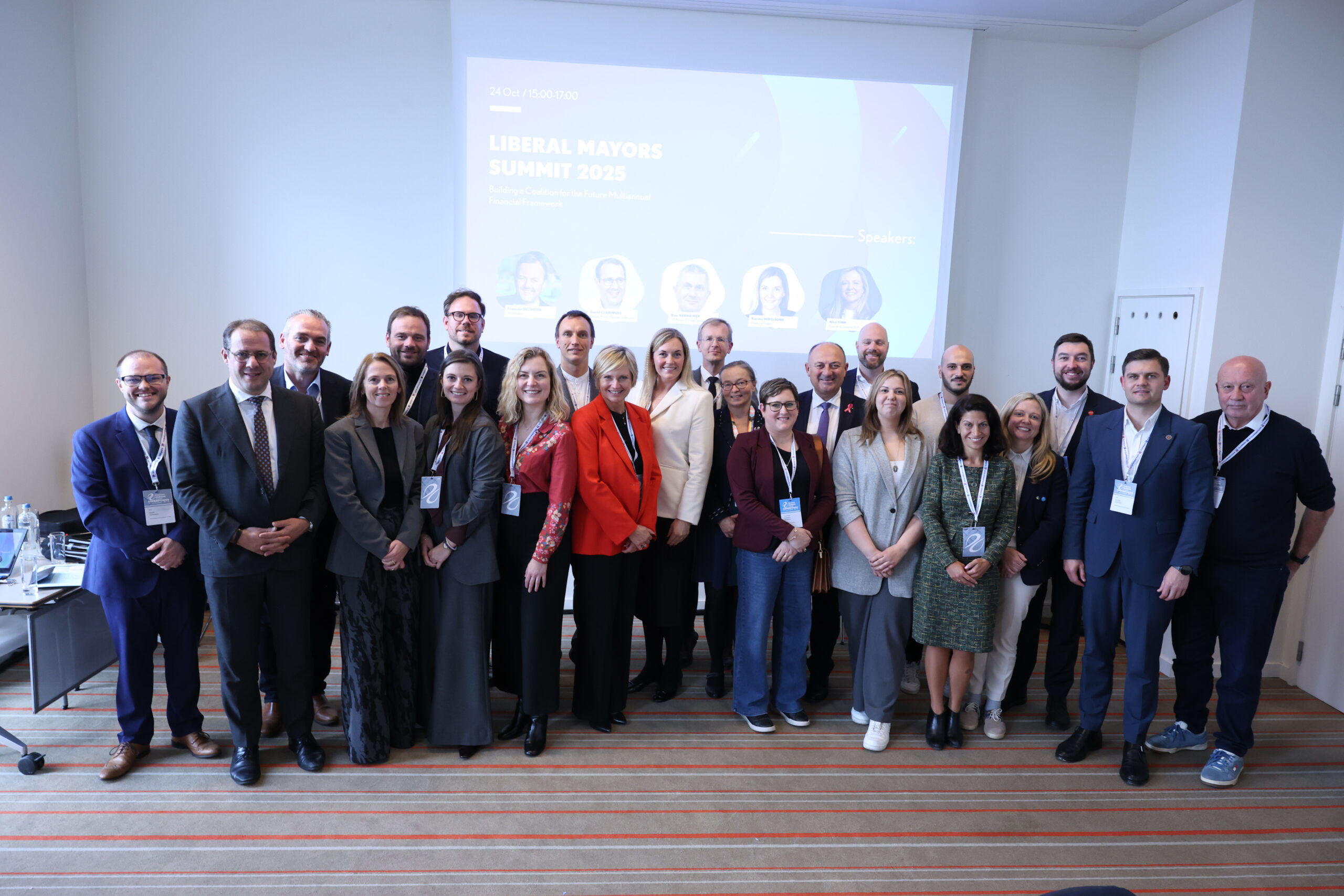
Liberal Mayors from across Europe gathered in Brussels on Friday, October 24, for the 12th Annual Liberal Mayors Summit, held during the ALDE Party Congress. Under the theme, “Building a Coalition for the Future Multiannual Financial Framework (MFF)”, the Summit resulted in the adoption of a strong declaration and the subsequent approval of a resolution by the Congress, both aimed at defending cohesion policy. The participants, including mayors, national politicians, and European representatives, delivered a unified message against the centralisation of EU funding, insisting that the Union’s long-term budget must directly involve local and regional authorities.
On Friday, 24 October 2025, liberal leaders gathered in Brussels for the 12th Annual Liberal Mayors Summit, held in conjunction with the ALDE Party Congress. Co-organised with the Belgian liberal parties, Mouvement Réformateur – MR and Open VLD, this landmark Summit marked the largest attendance to date and served as a critical platform to unite liberal subnational voices. High-profile speakers included Deputy Prime Minister of Belgium David Clarinval and Vice-President of the Renew Europe Group in the European Parliament, MEP Dan Barna.
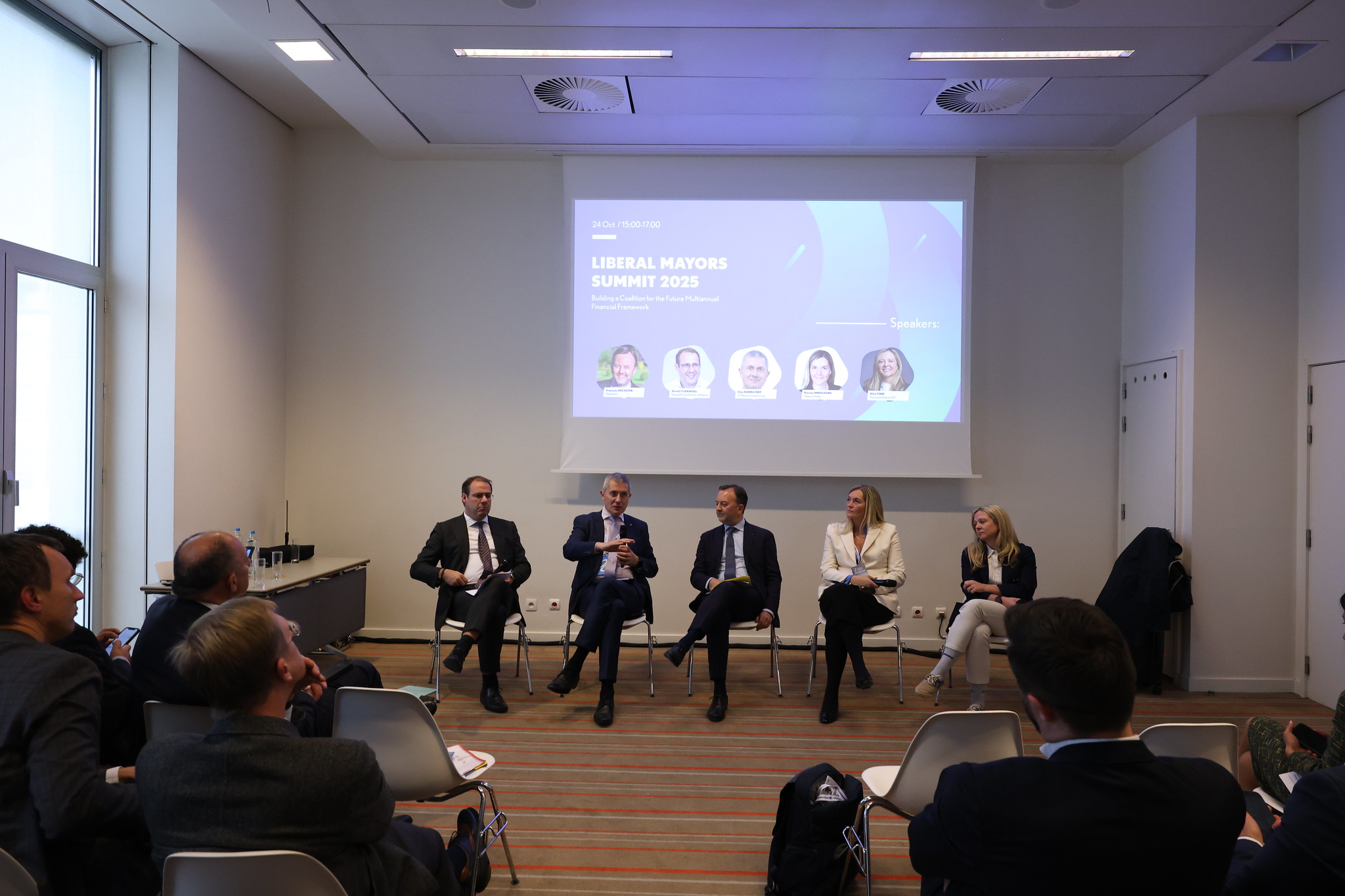
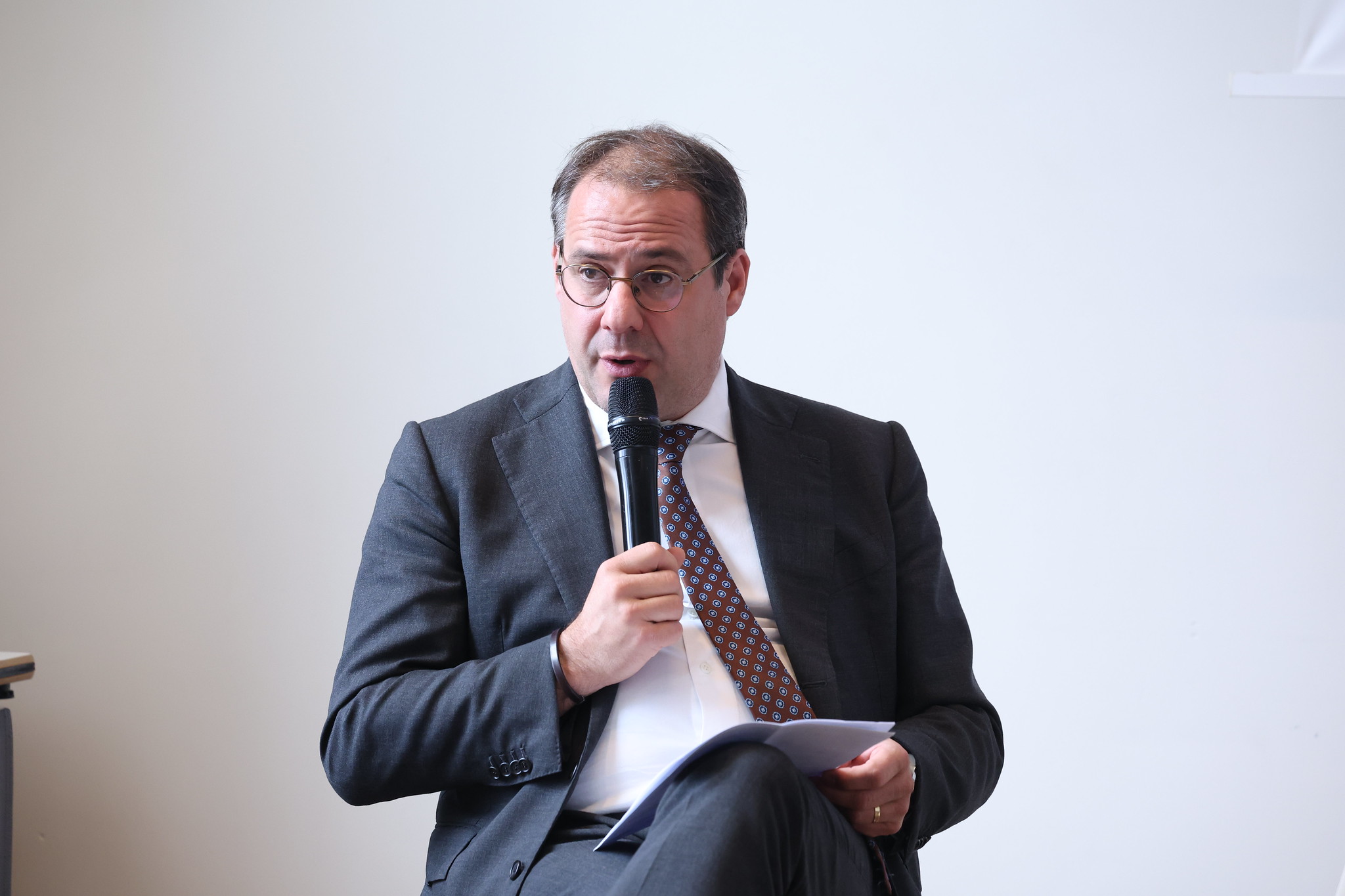
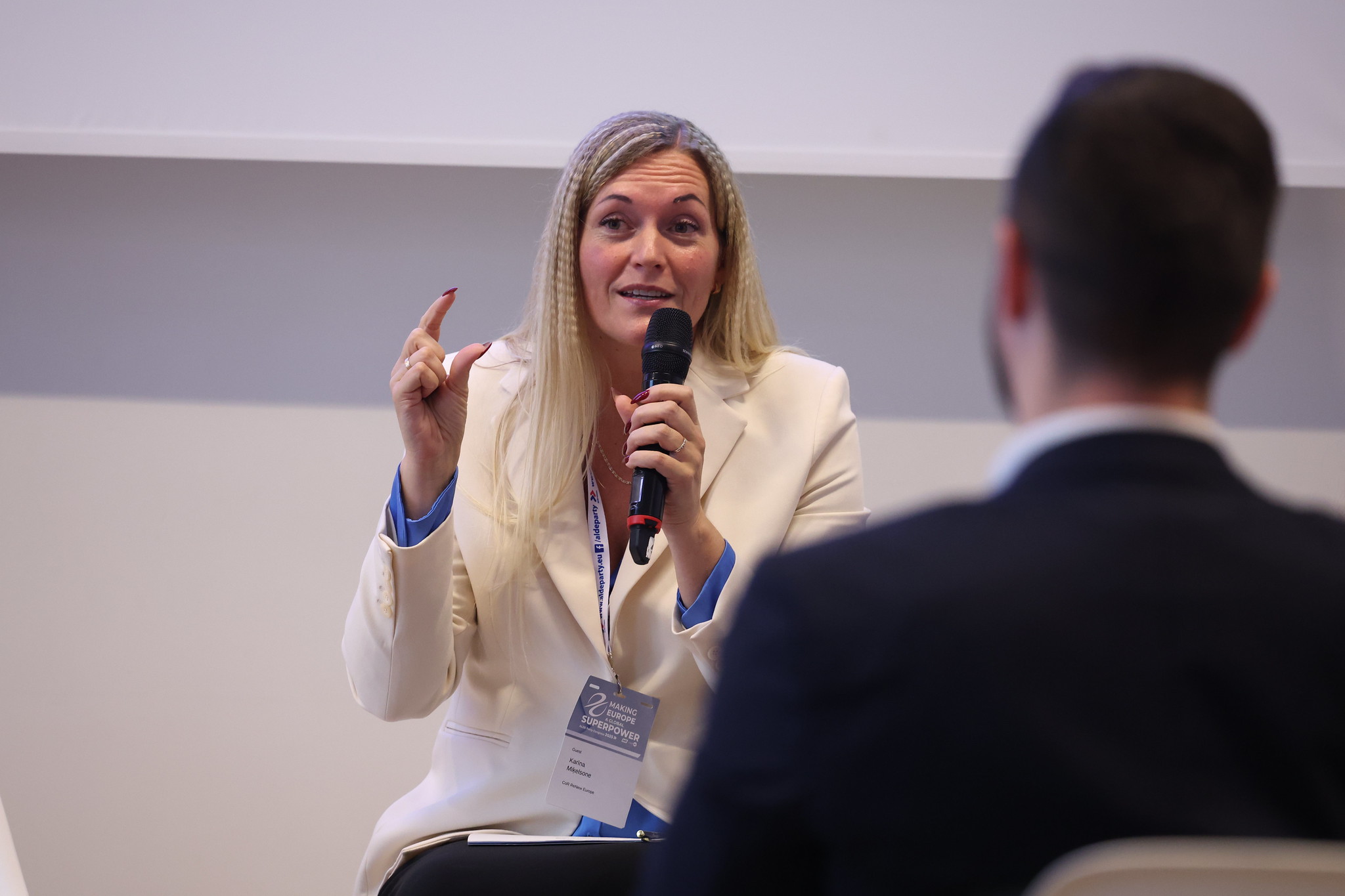
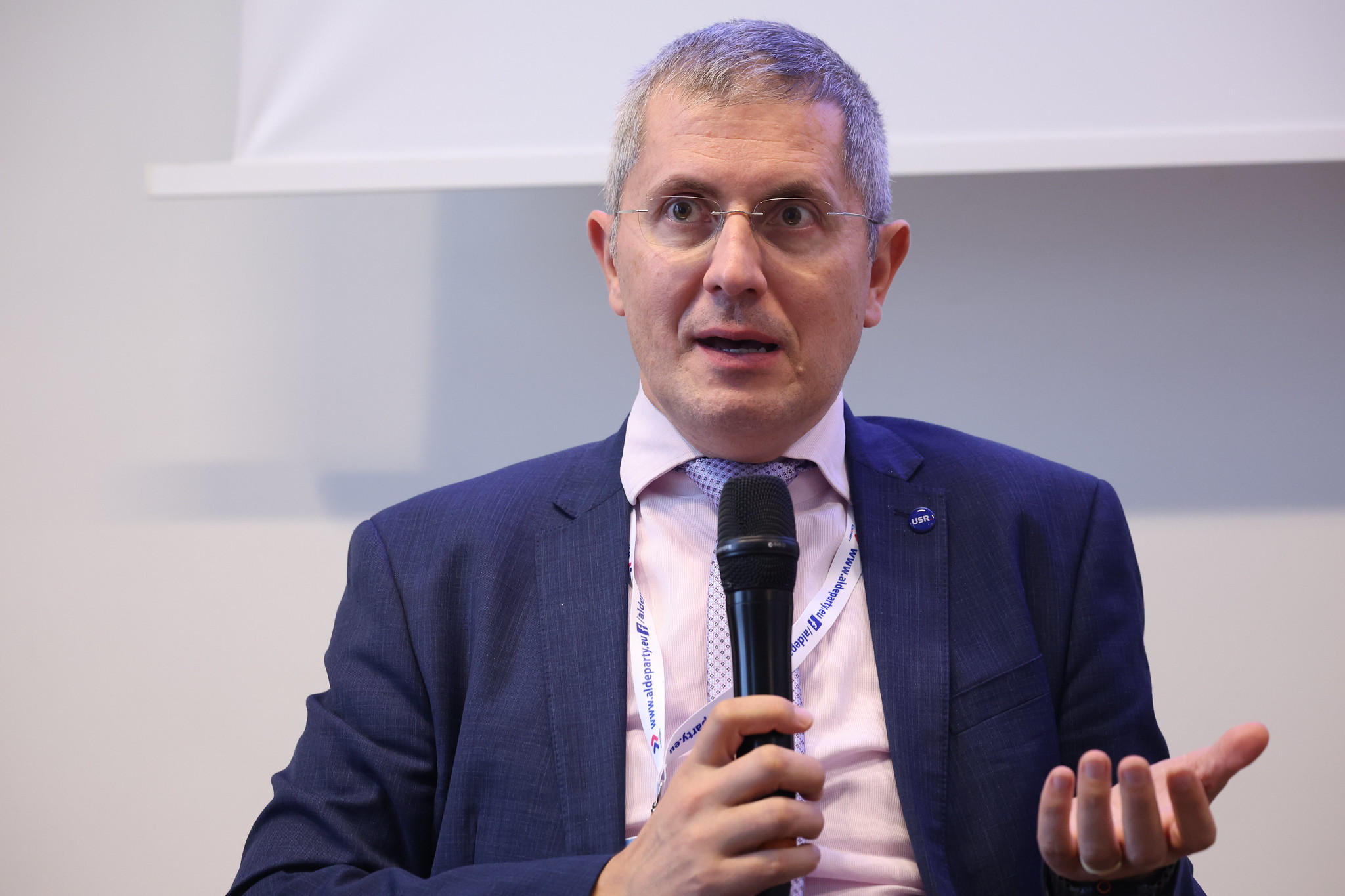
The central debate focused on the European Commission’s proposal for the 2028-2034 MFF, which was unanimously condemned as a dangerous step backwards. In his opening intervention, President of our Group and Mayor of Saint-Omer, François Decoster stressed the importance of local and regional authorities. He warned that under the European Commission’s new MFF proposal, regions and municipalities are only optional partners in shaping programmes and strategies at the national level. Vice-President of the Renew Europe Group in the European Parliament, MEP Dan Barna also cautioned that centralisation of funds risks disconnecting the Union from the citizens and weakening the core of cohesion policy, which he called essential for European unity. Deputy Prime Minister of Belgium David Clarinval delivered a powerful message on the indispensable role of the local level in the European project. He stated that being a mayor means “being at the service of the people… being confronted with their expectations, their hopes, but also their trust,” and that such an experience convinced him that the local level also has a central role to play in building tomorrow’s Europe. Several participants highlighted that cohesion policy is one of the most visible expressions of the EU’s added value. Karina Miķelsone, First Vice-President of our Group and Mayor of Ādaži, Latvia shared the experience from her home country, which borders Russia, and underscored that fair resource allocation is also critical for new political priorities such as Europe’s security. She emphasized that local leaders are often on the frontline and as such, must be included in MFF management. To address the risk of EU funds being misused by illiberal governments and ensure that cohesion policy stays in line with what is happening in global politics, Alva Finn, Executive Director of the European Liberal Forum – ELF, proposed a series of liberal reforms, stemming from a policy lab Renew Europe organized with the Friedrich Naumann Foundation (FNF).
Both the Mayors’ Declaration and the Congress Resolution assert that the MFF proposal represents a “fundamental shift… toward centralised national control”. This move is described as a “strategic error” and a “fundamentally illiberal push” that effectively sidelines the very actors—subnational authorities—who are closest to citizens and best placed to deliver results. The Mayors’ Declaration, adopted on Friday during the Summit, and the Resolution, approved by the ALDE Party Congress on Saturday, set out a clear liberal blueprint for the future of the MFF and Cohesion Policy.
The key demands in the adopted texts include:
- Restoring the Direct Role of Subnational Authorities: Calling on the European Parliament and Member States to revise the proposed MFF governance model to restore the direct and compulsory role of subnational authorities enforcing genuine partnership principles.
- Institutionalising Multilevel Governance: Ensuring meaningful participation of regional and local actors throughout the funding cycle.
- A Single Cohesion Fund: Adopting a single cohesion fund with thematic windows, as proposed by ELF, to streamline access and align investments with strategic priorities.
- Smart Conditionality: The use of “smart conditionality” tied to democratic values and the rule of law, alongside modern indicators beyond GDP, to guide investments.
In conclusion, the liberal mayors and delegates declared that a liberal cohesion policy must be strategic, inclusive, and future-oriented, warning that destroying the existing role of local and regional leaders will severely weaken the Union and greatly diminish its relevance for citizens. Our Group is committed to promoting these demands to ensure the MFF remains a tool for citizens, not a hostage to unpredictable interests of national governments.